International Coffee Day
Of course, coffee has its own holiday. You think pancakes and pizza can have their own day and coffee would just sit that one out? Obviously not. But like some cafe’s wifi policies, International Coffee Day’s date can be a bit confusing, so here is a quick breakdown. Many countries around the world celebrate their own National Coffee Days at various times throughout the year. In Brazil, it’s May 24th. In the U.S, Sept. 29. However, to try and unify all these celebrations across the globe, the member countries of the International Coffee Organization (yes, there is one) chose October 1st as International Coffee Day. This event has been growing at a steroid rate since it first started in 2015, with celebrations in over 56 countries.
This year’s theme is Women in Coffee, which is long overdue. The coffee industry is just like any industry, very male dominated or not so much dominate, but male noticed. There are many women in the coffee industry that are crushing it, all female roasters, farmers, cafes, Girls Who Grind for example, who have made a big mark on the industry. This year ICD will hopefully help put female roasters in the forefront, because they damn well should be! They are really the backbone behind all agriculture.
Women take up half of the agricultural workforce around the world and in some countries it is up to 70 percent. With coffee mostly coming from countries where it is one of their leading agriculture exports, women are in full force every step of the process. The problem is how they are treated, with unequal and very little pay (sometimes none at all), lack of leadership roles, and the control they have over the land. Hopefully, this years’ ICD will start to shine a brighter light on these issues. The more people who know means the more people who support and that’s when policy change can actually start to happen. So keep your eye out for events for ICD and for female coffee. To start, we have a few foundations to check out below, who have been driving this movement for policy change and representation for a long time.
A.M.A.C.A.
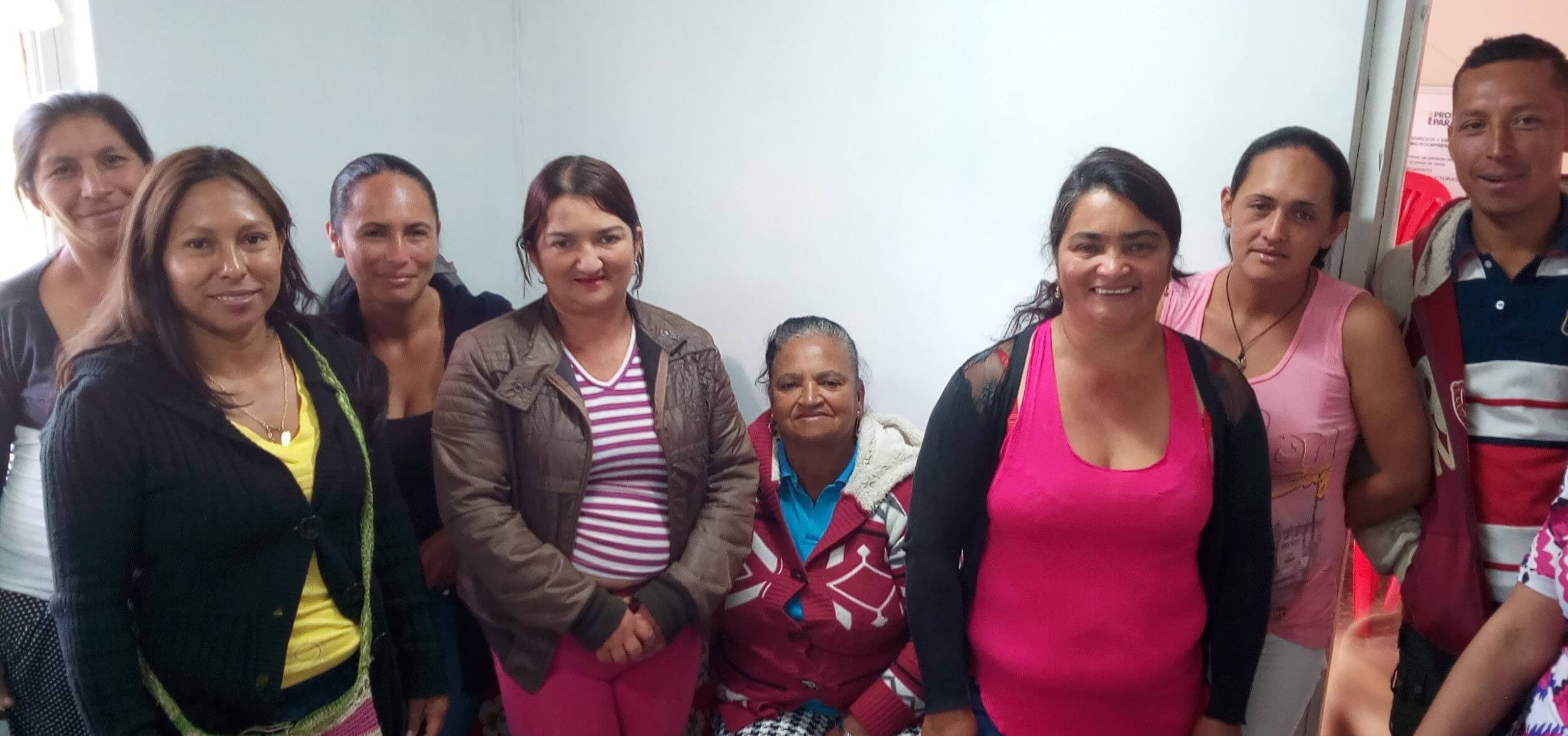
AMACA is one of those foundations that has been working to bring women in coffee to light. AMACA is a group of all-women producers located in El Tambo, Cauca, Colombia. It was formed the same year the U.S women's soccer team won the World Cup, 1999, by 80 women. Now AMACA is 140 smallholder members strong, all women farm owners and heads of households—and their coffees they are producing are delicious. All of the members support their families via the cultivation and production of coffee and they will continue to do it.
The International Women’s Coffee Alliance,
 IWCA, their mission is simple “to empower women in the international coffee community to achieve meaningful and sustainable lives; and to encourage and recognize the participation of women in all aspects of the coffee industry.” It was formed in 2003. Women from Costa Rica, the U.S, and Nicaragua who worked in the coffee industry and wanted a change came together to form the IWCA. Today there are over 1,000 IWCA chapters in 22 countries. Each chapter is independent, creating their own agendas and goals to advance their coffee communities.
Asomobi (Asociación de Mujeres Organizadas de Biolley)
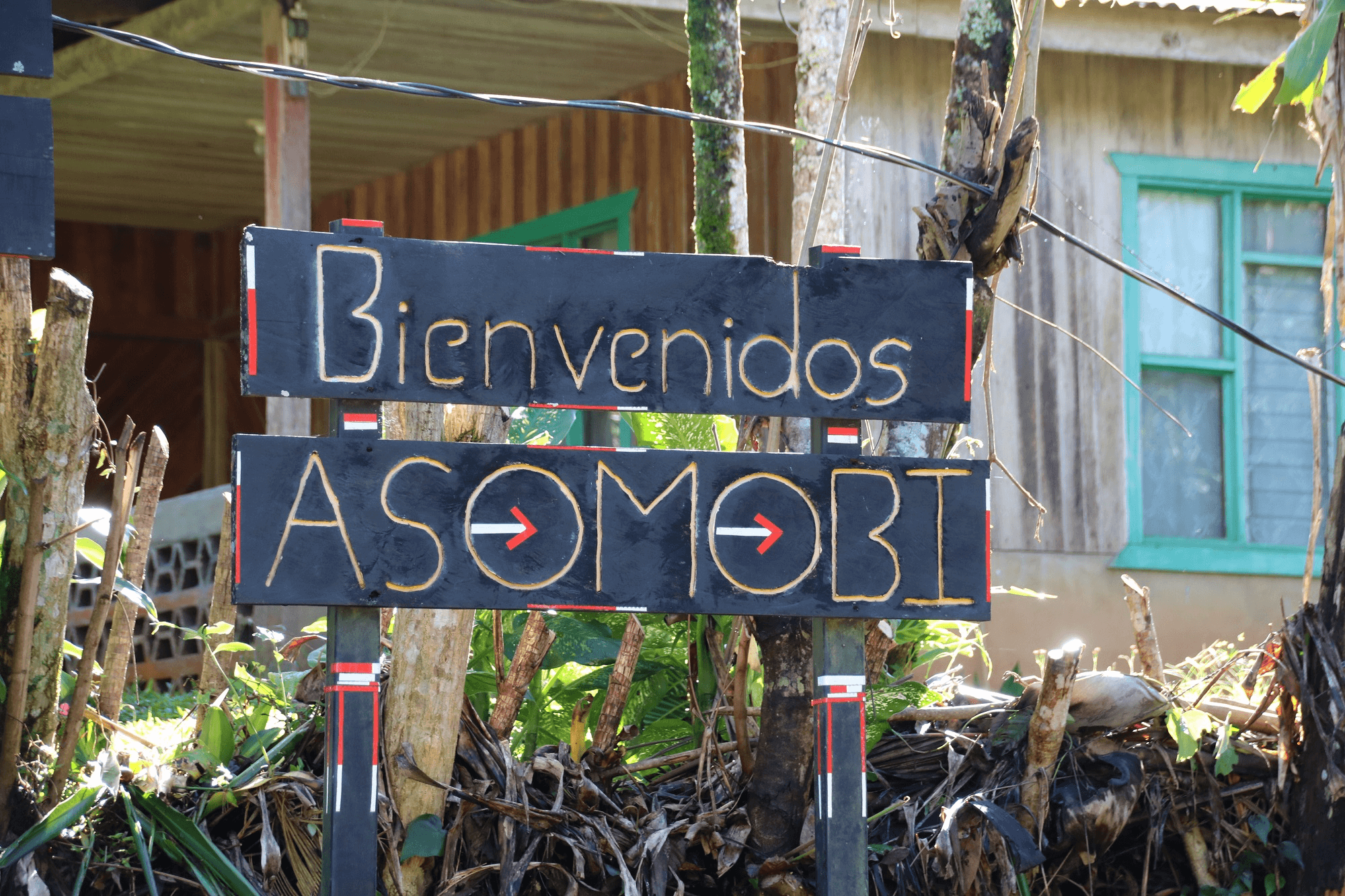 In the hidden community of Biolley, Costa Rica, a group of coffee enthusiast women came together to form Asomobi in 1997. The association aims to improve their families’ lives as well as those of communities in the buffer zone of La Amistad International Park. Asomobi originally started with 19 women, and today there are 31 partners all working together to lift each other up.
Women are everywhere in coffee and they have been. For you visual learners who want a bit more information here is a short doc from Equal Exchange about the women who are involved in their coffee https://vimeo.com/165150528.